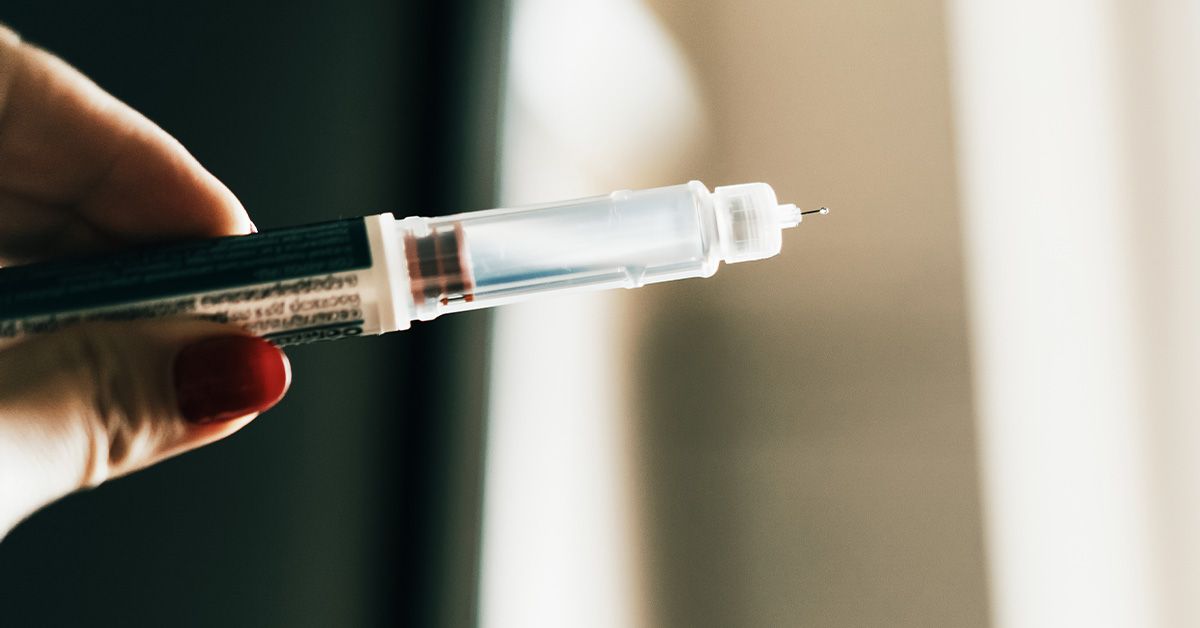
According to a study presented at the Endocrine Society's annual meeting, ENDO 2026, individuals who began using a GLP-1 medication showed a decline in daily physical activity. The study found that among people with obesity, daily step count and moderate-to-vigorous activity duration decreased after starting GLP-1 medication.
The greatest decline was seen in males and individuals with musculoskeletal pain. This is concerning, as evidence suggests that long-term weight management is most effective when combined with regular exercise.
"This study aligns with my clinical experience," said Mir Ali, MD, medical director of MemorialCare Surgical Weight Loss Center at Orange Coast Medical Center in Fountain Valley, CA. "I often find that patients feel more fatigued while losing weight, which can make exercise feel like a chore."
Why Exercise is Crucial When Using GLP-1 Medications
The study's findings emphasize the importance of regular physical activity when using GLP-1 medications. "While many assume that weight loss leads naturally to increased physical activity, our study suggests otherwise," said Sajana Maharjan, MD, board certified internist at HSHS St. John's Hospital in Springfield, IL, and lead author of the study.
"The findings in our study reinforce that exercise cannot be optional for people taking these medications. People need targeted interventions that encourage physical activity alongside medication for obesity."
What Does This Mean for You?
If you're considering using a GLP-1 medication, it's essential to remember that regular exercise is crucial for long-term weight management and overall health. Our healthcare team can help you develop a personalized plan to incorporate physical activity into your daily routine.
Learn more about hair transplant at Rubenhair clinic.
Get a Free Consultation
Consult with our specialists about FUE procedure, PRP therapy or hair transplant.