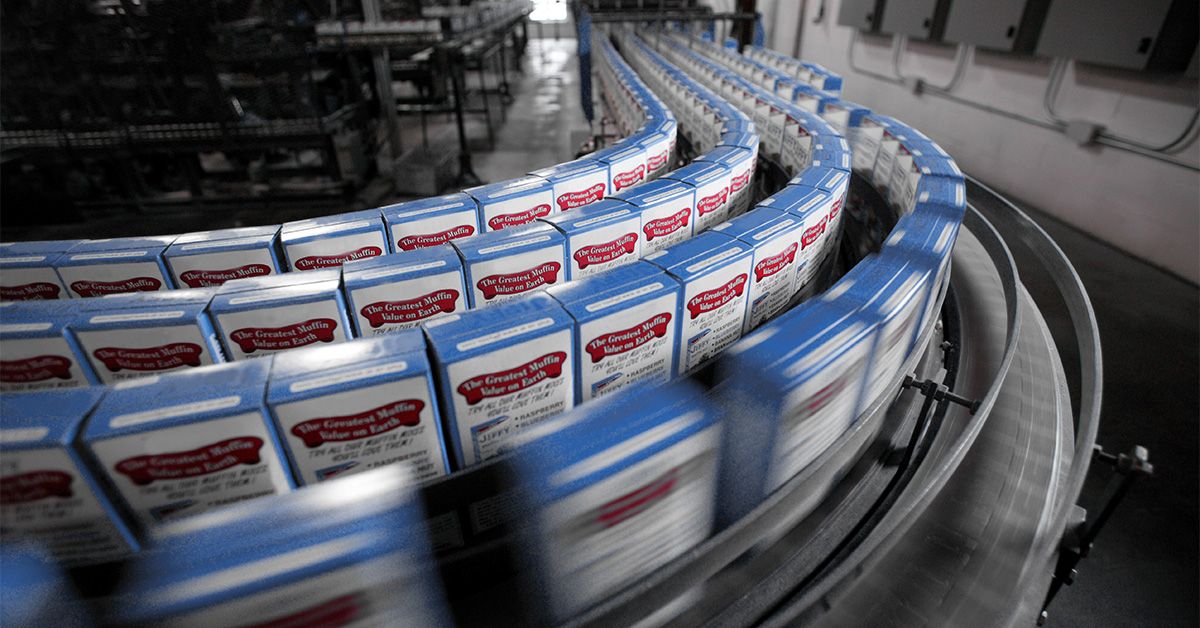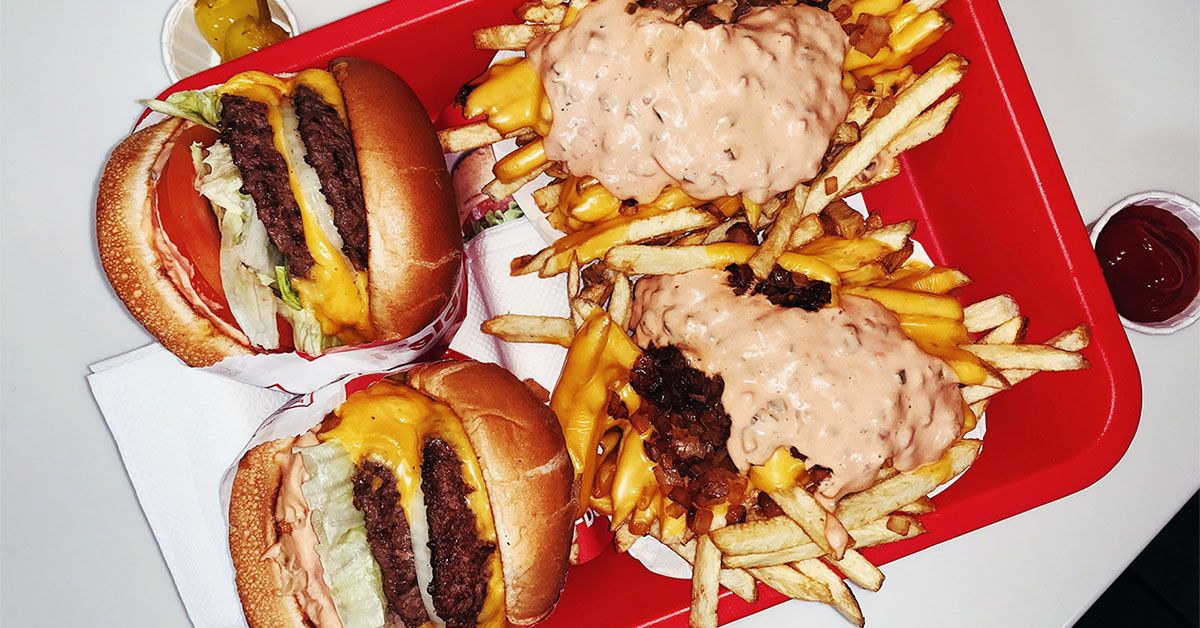
**The Hidden Dangers of Ultraprocessed Foods** Recent research has shed light on the addictive nature of ultraprocessed foods (UPFs), which may be just as detrimental to our health as tobacco products.
**The Hidden Dangers of Ultraprocessed Foods** Recent research has shed light on the addictive nature of ultraprocessed foods (UPFs), which may be just as detrimental to our health as tobacco products.Studies have shown that UPFs are designed to heighten reward and accelerate the delivery of reinforcing ingredients, leading to compulsive consumption and disrupted appetite regulation. This "addictive" quality means that these foods can drive overeating and negatively impact our overall well-being.
While there is no single definition of ultraprocessed foods, many professionals use the NOVA classification, which describes them as products containing formulations of ingredients created through industrial techniques and processes.
A recent review published in The Millbank Quarterly found that UPFs may be as addictive as tobacco products. According to Dr. Mir Ali, MD, bariatric surgeon and medical director of MemorialCare Surgical Weight Loss Center at Orange Coast Medical Center in Fountain Valley, CA, "ultra-processed foods are specifically engineered to be highly appealing to most individuals."
Research estimates that over 73% of the foods in the United States are ultraprocessed. This is concerning, as these foods are designed to maximize biological and psychological reinforcement and habitual overuse.
"Cigarettes and UPFs [ultraprocessed foods] are not simply natural products but highly engineered delivery systems," noted the research team from Harvard, Duke, and the public health history, and nutrition. "Not everyone is 'addicted' to these foods, but for a meaningful minority, they trigger classic addiction-like patterns: strong cravings, loss of control, and continued use despite negative health effects."
The researchers identified five key areas that contribute to the addictive nature of UPFs:
- Delivery speed
- Hedonic engineering (designing foods to be irresistibly good)
- Dose optimization
- Environmental ubiquity
- Deceptive reformulation ("health washing")
The rapid delivery of "feel-good" chemicals in UPFs, such as refined carbohydrates and added fats, can lead to addiction. This is concerning, as these ingredients are almost nonexistent in nature.
At our clinic, we encourage patients to be mindful of their food choices and to opt for whole, nutrient-dense foods whenever possible. By making informed decisions about the foods we eat, we can reduce our risk of developing unhealthy eating habits and related health problems.
Learn more about hair transplant at Rubenhair clinic.
Get a Free Consultation
Consult with our specialists about FUE procedure, PRP therapy or hair transplant.