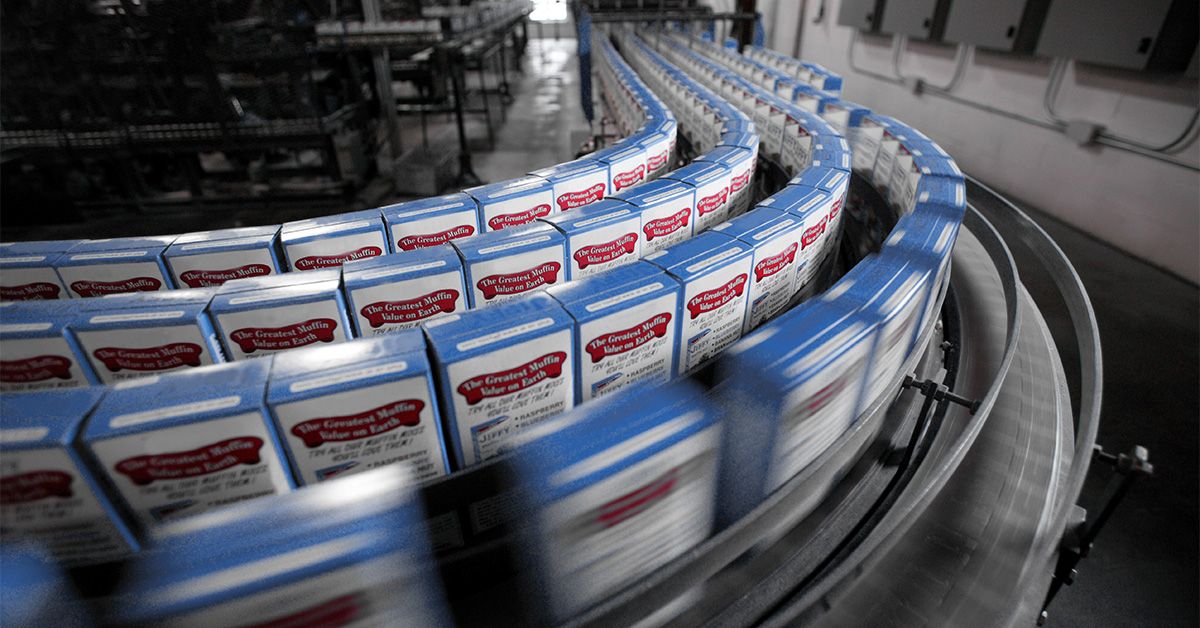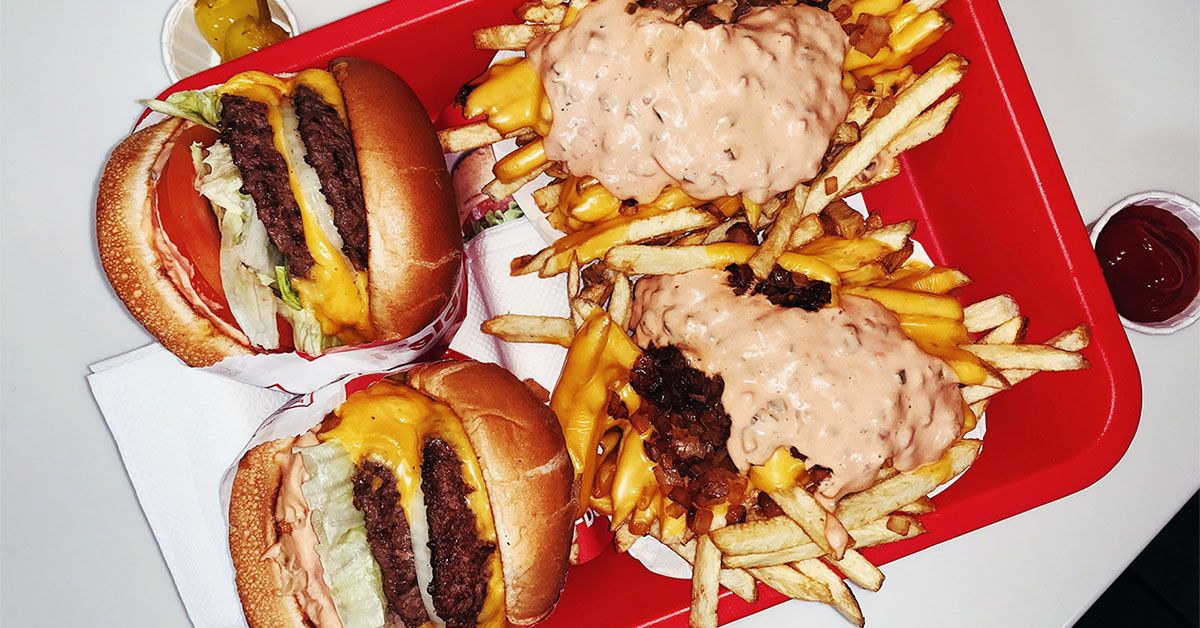
on PinterestNew research shows that ultraprocessed foods may be as addictive as cigarettes. Image Credit: Alexander Spatari/Getty ImagesA recent review found that ultraprocessed foods (UPFs) may be as addictive as tobacco products.
on PinterestNew research shows that ultraprocessed foods may be as addictive as cigarettes. Image Credit: Alexander Spatari/Getty Images
- A recent review found that ultraprocessed foods (UPFs) may be as addictive as tobacco products.
- The researchers found that UPFs are designed to heighten reward and accelerate the delivery of reinforcing ingredients.
- The “addictive” quality of these foods means they drive compulsive consumption and disrupt appetite regulation.
- The review authors suggest that ultraprocessed foods should be subject to regulations similar to those for tobacco products.
Currently, there is no single universal definition of ultraprocessed foods. Some people define them as foods that contain ingredients you would not find in your kitchen cupboards, such as emulsifiers and additives.
Many professionals use the NOVA classification to define ultraprocessed foods. This talks about foods that contain “formulations of ingredients, mostly of exclusive industrial use, typically created by a series of industrial techniques and processes.”
A recent review published in The Millbank Quarterly suggested that ultraprocessed foods may be as addictive as tobacco products.
“I agree with this study, as ultra-processed foods are specifically engineered to be highly appealing to most individuals,” Mir Ali, MD, bariatric surgeon and medical director of MemorialCare Surgical Weight Loss Center at Orange Coast Medical Center in Fountain Valley, CA, who was not involved in the research, told Healthline.
Research from 2023 estimates that over 73% of the foods in the United States are ultraprocessed.
“Cigarettes and UPFs [ultraprocessed foods] are not simply natural products but highly engineered delivery systems designed specifically to maximize biological and psychological reinforcement and habitual overuse,” noted the new study’s research team from Harvard, Duke, and the public health history, and nutrition in order to identify sensory and structural features that increase the reinforcing potential of both cigarettes and ultraprocessed foods.
“Not everyone is ‘addicted’ to these foods, but for a meaningful minority, they trigger classic addiction-like patterns: strong cravings, loss of control, and continued use despite negative health effects,” said Michelle Routhenstein, preventive cardiology dietitian at EntirelyNourished, who was not involved in the study.
“These foods are deliberately engineered with refined carbs, added fats, salt, and flavor enhancers to maximize reward and repeat consumption, and the industry uses aggressive marketing tactics, especially targeting children,” she told Healthline.
The researchers focused on five key areas:
- delivery speed
- hedonic engineering, or designing foods to be irresistibly good
- dose optimization
- environmental ubiquity
- deceptive reformulation, or “health washing”
They found that, like cigarettes, ultraprocessed foods are fine-tuned to deliver the right dose of sugar.
“Refined carbohydrates stimulate dopamine release via the vagus nerve, whereas fats do so through intestinal lipid sensing,” the researchers wrote.
“… UPFs with high levels of refined carbohydrates and added fats are some of the most potently rewarding substances in the modern diet. Notably, this refined carbohydrate-fat combination is almost nonexistent in nature.”
The way these foods rapidly deliver “feel-good” chemicals to the brain makes them potentially addictive, similarly to cigarettes.
The review noted that while cigarettes are engineered to deliver nicotine quickly, ultraprocessed foods are engineered to rapidly digest and absorb, as they typically
Uzziniet vairāk par matu transplantācija klīnikā Rubenhair.
Saņemiet bezmaksas konsultāciju
Konsultējieties ar mūsu speciālistiem par FUE procedūru, PRP terapiju vai matu transplantāciju.